
White vs Traditional Himalayan Salt Lamps
Understanding the Difference in Appearance and Style
Himalayan salt lamps are most commonly available in two primary color variations: traditional amber-toned lamps and rare white crystal lamps. While both are carved from natural Himalayan salt, their appearance and lighting tone differ in subtle but noticeable ways.
This guide explains how they compare so you can choose the option that best fits your space.
1. Traditional Himalayan Salt Lamps (Amber Tones)
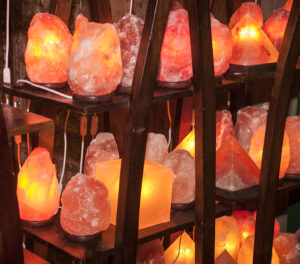 Most Himalayan salt lamps have a warm pink, orange, or amber appearance. These color variations occur naturally due to trace mineral content within the salt crystal.
When illuminated, traditional lamps emit a soft amber glow that many people associate with warmth and relaxation.
They are commonly chosen for:
Bedrooms
Living rooms
Meditation spaces
Cozy accent lighting
The light tends to feel deeper and warmer, similar to candlelight or sunset tones.
→ Explore Traditional Himalayan Salt Lamps
2. White Himalayan Salt Lamps
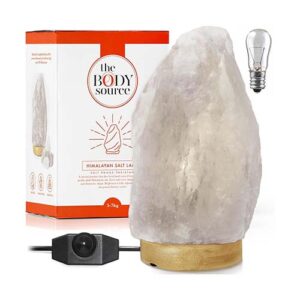 White Himalayan salt lamps are less common and have a lighter, more translucent appearance. They often appear pale ivory or soft white when unlit.
When turned on, white lamps produce a cleaner, slightly brighter glow compared to traditional amber lamps.
They are often selected for:
Minimalist interiors
Modern décor styles
Offices or workspaces
Neutral-toned rooms
White salt lamps still offer soft ambient lighting but with a lighter visual presence.
→ View White Himalayan Salt Lamps
3. Differences in Lighting Tone
Traditional (Amber) Lamps:
Deeper, warmer glow
Creates a cozy atmosphere
Works well in low-light environments
White Lamps:
Softer ivory glow
Slightly brighter appearance
Complements contemporary décor
Both types are designed primarily for accent lighting rather than as a primary light source.
4. Differences in Rarity and Appearance
Traditional amber lamps are more widely available because the pink and orange salt deposits are more common.
White Himalayan salt lamps are considered more rare due to the lower concentration of colored minerals in the crystal.
Because both are natural materials, each lamp will vary slightly in tone, shape, and translucency.
No two lamps are identical.
5. Which One Should You Choose?
The decision typically comes down to:
Room style
Desired lighting tone
Personal preference
If you prefer a warmer, sunset-like glow, traditional amber lamps are a popular choice.
If you prefer a lighter, cleaner look that blends into modern décor, white salt lamps may be the better option.
Some people even combine both styles in different areas of their home for visual contrast.
Final Thoughts
Both traditional and white Himalayan salt lamps are valued for their natural appearance and soft ambient light. The primary difference lies in tone and style rather than function.
Choosing between them simply depends on the atmosphere you’d like to create.